The Two Koreas

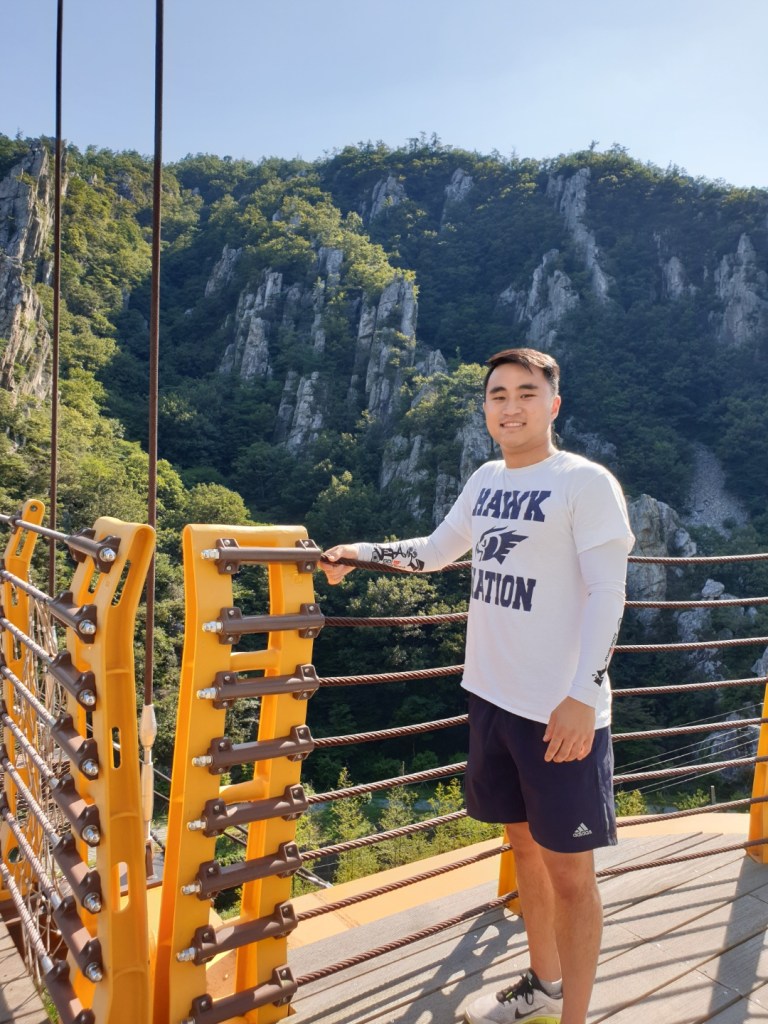
Last week, I checked off one of the top activities on my to-do list: I went to Korea’s Demilitarized Zone (DMZ) on the 38th parallel. I always wanted to visit this place as a kid. It divides North and South Korea, separating people of the same blood and history. My mother and father would tell me stories about their childhood during the 1960s and 1970s. South Korea was a poor, war-torn country after the Korean War. As a result, my parents lived in near poverty and held negative views about the North. Growing up, it was a scary topic, but I always wanted to see the country for myself. This opportunity allowed me to get my first glimpse of the most mysterious and isolated country in the world.

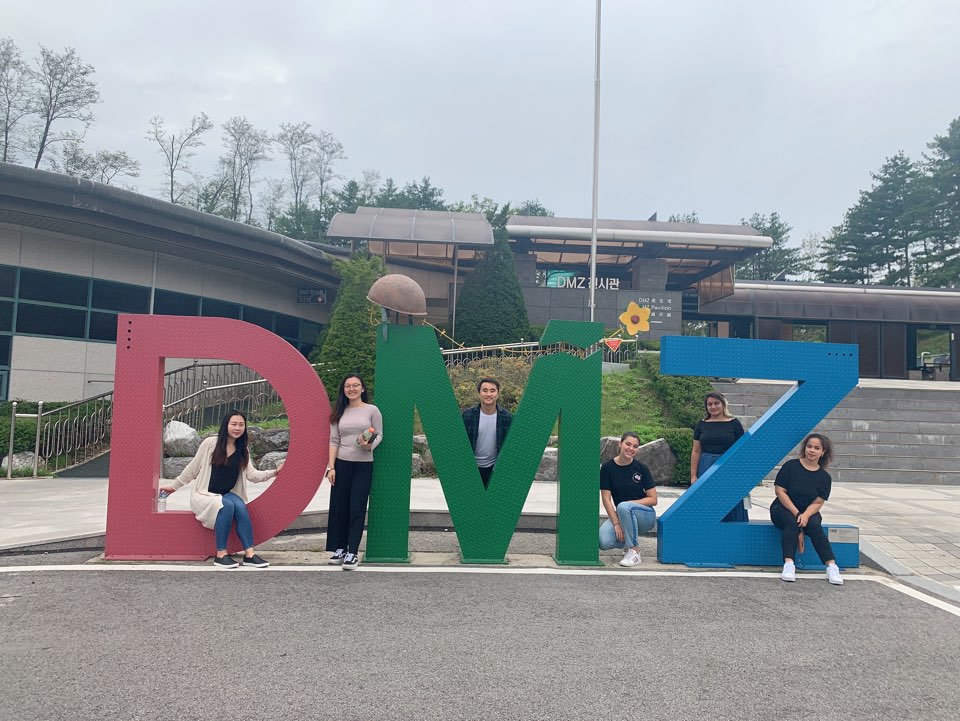
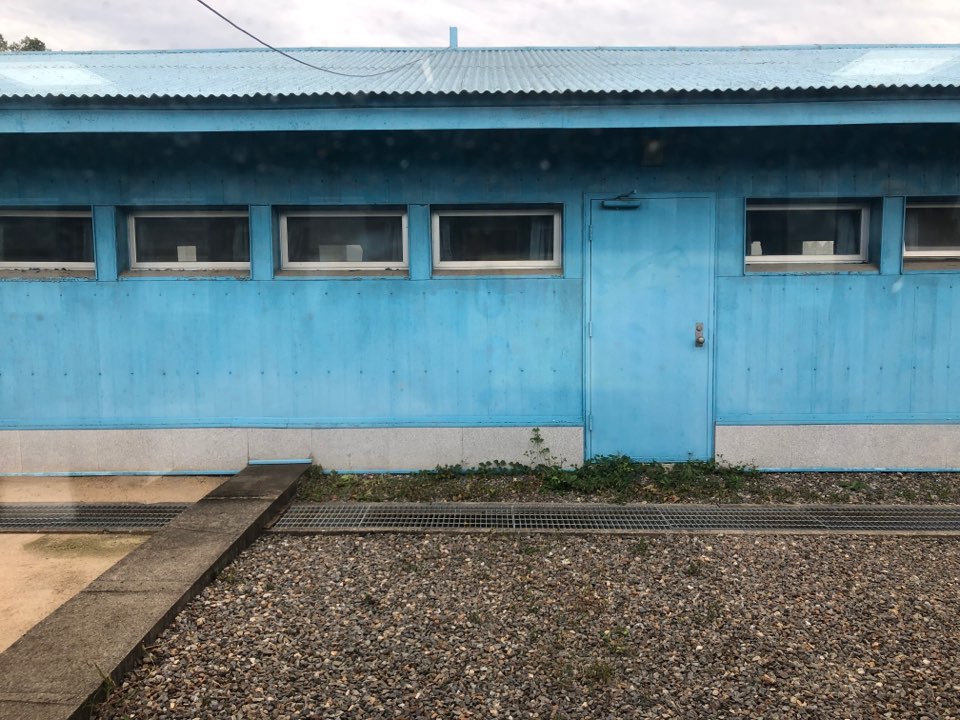
I didn’t know what to expect when I first arrived at the DMZ. In my mind, I imagined military personnel at every corner and a gloomy atmosphere at all times. What I saw, however, was completely different. I rarely saw anyone on the scene, especially at the Joint Security Area. The tour guide explained that the peace talks in 2018 relaxed the security measures. The soldiers were unarmed, facing south instead of north, and they were only at the scene during tours. I did not see any North Korean soldiers
Picture creds: Natalie Markech

To be honest, the tour itself felt slightly artificial. The guides expected us to take pictures and allowed us to do so at certain locations. They gave a brief explanation of the sights and ended their talk with the phrase “now take your pictures.” For me, this gave the whole thing an artificial feeling—and rightfully so. The DMZ is one of the most heavily guarded places in the world, and it is the boundary between two “warring” countries. The fact that they have tourists come and visit the place for profit strikes me as quite odd. The DMZ symbolizes so much for the Korean people; a tour cannot do it justice. In order for foreigners, including myself, to understand it fully would be too much. Nonetheless, I took in this opportunity.
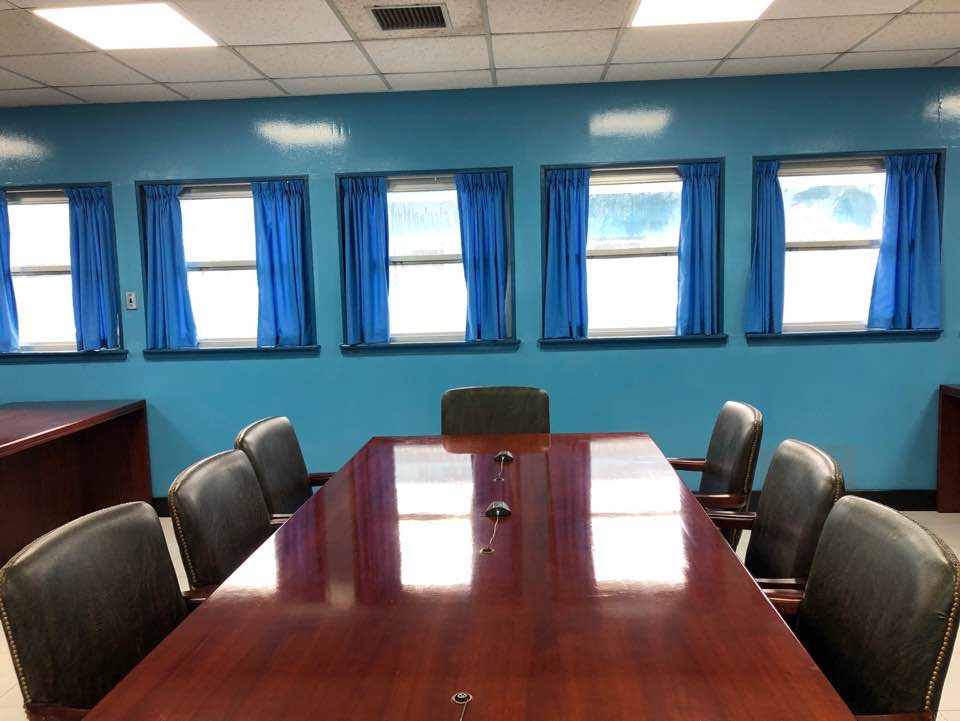
Picture creds: Natalie Markech

So, what was my first impression of North Korea?

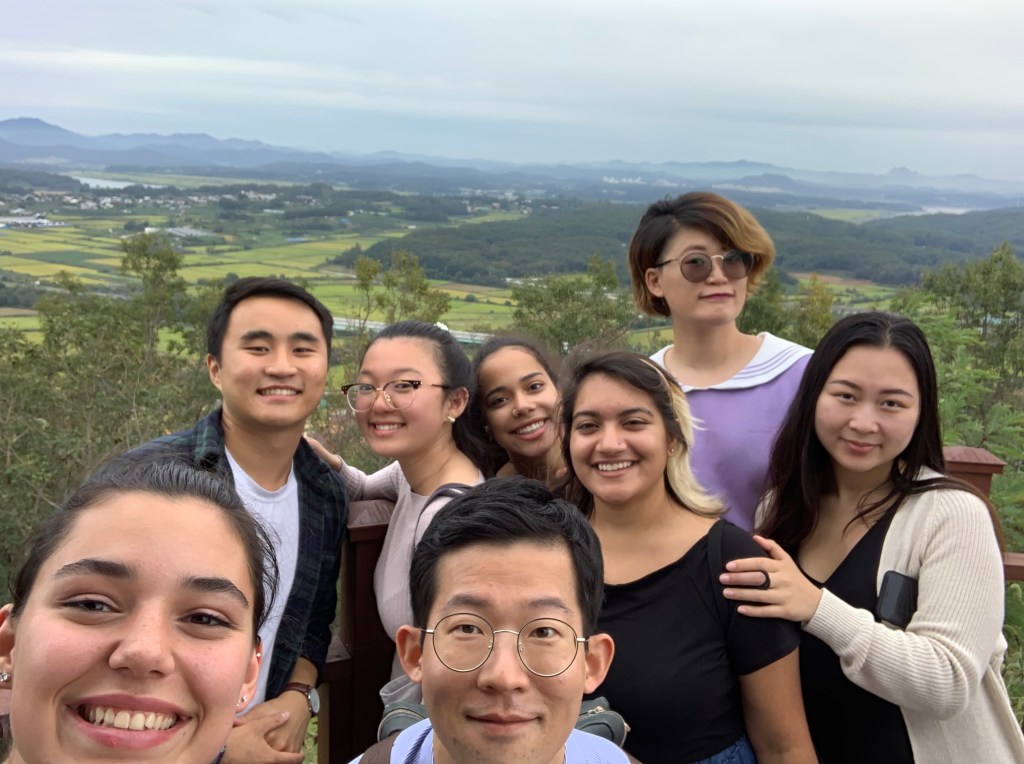
North Korea looked a lot like South Korea. The geography is identical and both countries have a small city outside the border. I don’t know why this shocked me so much. Maybe it was because of all the negative connotations associated with North Korea in the West. In reality, however, these people are very similar to us. They eat, drink, farm, etc. The only thing separating them from the rest of the world is their leader and government.
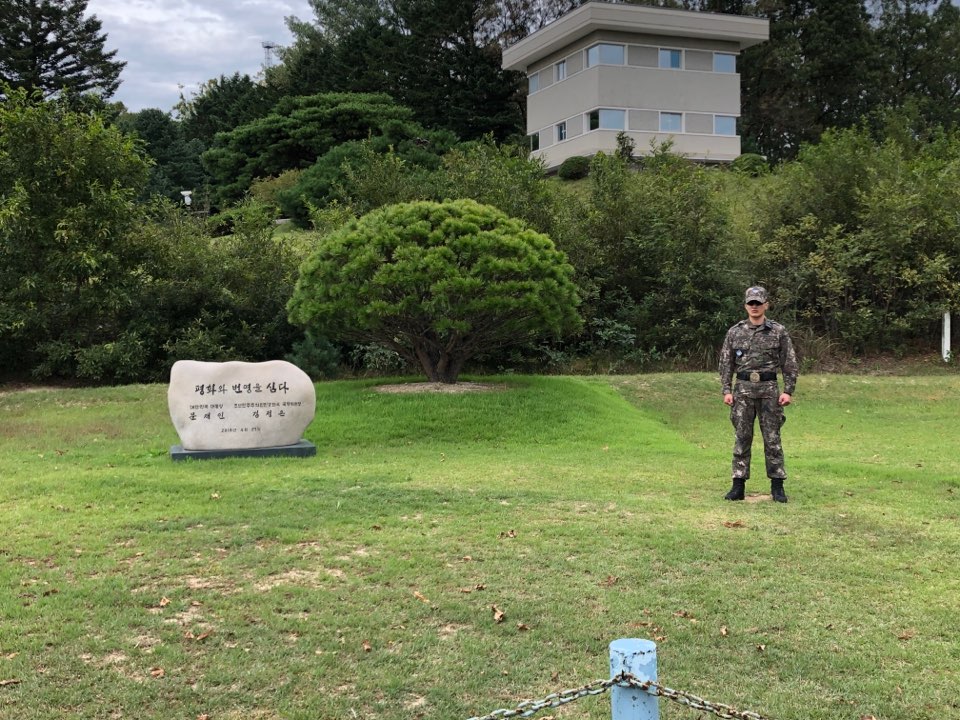
Picture creds: Natalie Markech

Overall, I feel grateful for my trip to the DMZ. It made me more aware or the issues surrounding the two countries; it made me understand that the “mysterious” North Korea is not so different than other countries; it made me realize that I need to conduct research to learn more about this place.
My First Chuseok

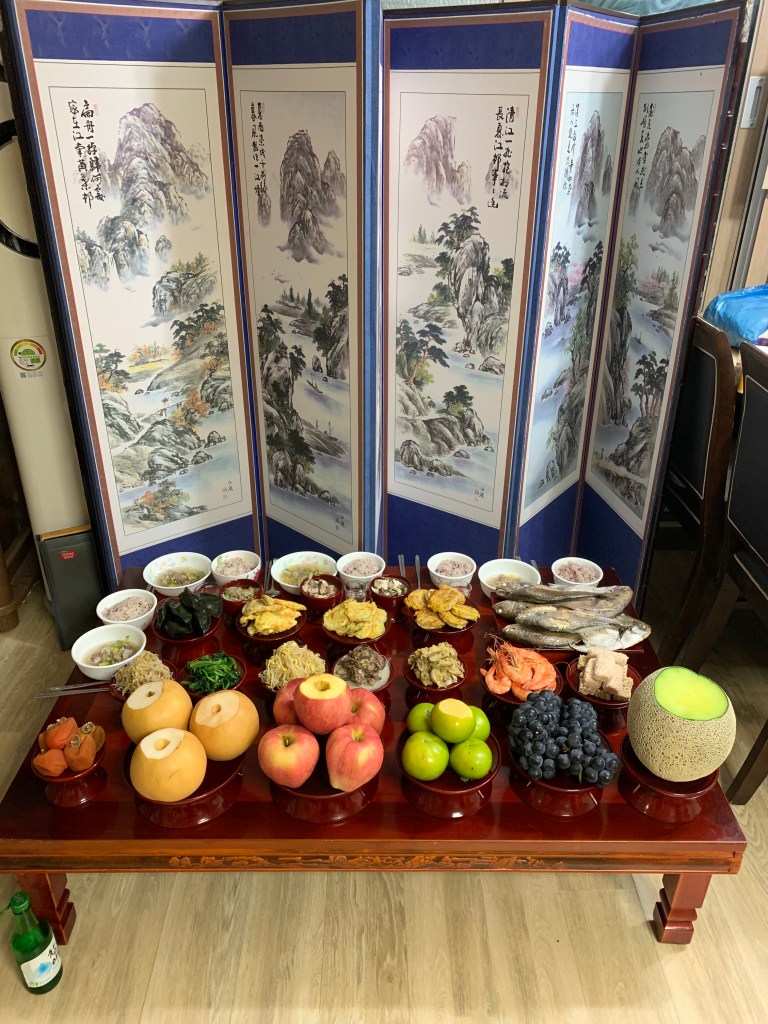
Chuseok is a major festival and three-day holiday in South Korea. Koreans celebrate the fall harvest by meeting their family members from across the country and eating a meal together. It is one of the biggest holidays in the country.

As a kid, I always heard about Chuseok. My mother and father called it “Korea’s Thanksgiving,” but we did little to celebrate it. I grew up in the United States with little to no extended family around me. My family never felt the need to make a big deal out of this holiday. Before leaving for South Korea on my study abroad trip, I knew this year would be the first time I would ever experience Chuseok. The opportunity to meet my extended family and spend quality time with them was very important to me. I looked forward to it the most.

Overall, I enjoyed Chuseok. I met family members that I had never seen before, engaged in many of the traditional proceedings, and ate delicious food. I especially liked paying my respects to my late ancestors by bowing in front of their graves. I never did anything like it in America, but I knew it was a big part of Korean culture. I made sure to live in the moment and take it all in. My uncle made sure I participated in all the cultural activities. He wanted to teach me all the things I’ve missed while living abroad. He took me to see all my extended family members in the area, including my grandaunt. I got to meet all of her children and grandchildren. Admittedly, it was a little awkward at first. I’ve never seen or heard of these people in my life, yet they knew all about me. They treated me kindly and warmly—a memory I will treasure for a long time.

Chuseok didn’t go exactly as planned, however. On my way to Haenam, I received word that my grandmother was rushed to a hospital in Seoul. She would not be there for the holiday, meaning many of my uncles, aunts, and cousins would not come down as well. I only saw a small portion of my very large family. I felt a little down at first, but my uncle made sure to keep me busy and entertained all weekend. I went biking around the countryside and explored new places around the area. Honestly, I don’t know what I would have done without his family. They hosted me all weekend and kept me company. Also, I spent a lot of time with my uncle’s two daughters. Growing up with one older brother, I never experienced living with two females. I got to know their personalities well, and I felt closer to them. I guess that’s what I wanted to do all along during this holiday.

Chuseok was definitely a success, and I cannot wait for my next one!

Seoul: The City That Never Sleeps

*First, I want to apologize for my late blog post. This past week was Chuseok (a traditional Korean holiday celebrating the year’s harvest), and I didn’t have access to a computer while I was visiting my family. It was my first ever Chuseok, and it was a great, memorable experience. Be sure to read my next blog post for more details!

*Second, I’m still in the process of figuring out this whole “blogging” thing. I feel that my past posts have been very formal. In order to give you all a more authentic and personal experience, I am experimenting with a new method of writing—a more informal one. Please bear with me as I try to discover my own blogging style 🙂

Growing up, I always heard the phrase “New York City: the city that never sleeps.” I didn’t quite understand what it meant until I went to visit the world-renowned site two summers ago. It definitely left an impression on me. People stayed out really late, doing all sorts of nightlife activities that my nineteen-year-old self could not. The bustle intrigued me, especially because I grew up in suburban Georgia where there isn’t much to do past 9 PM. By the end of the trip, I wanted to live in New York City. No city could compare, right?

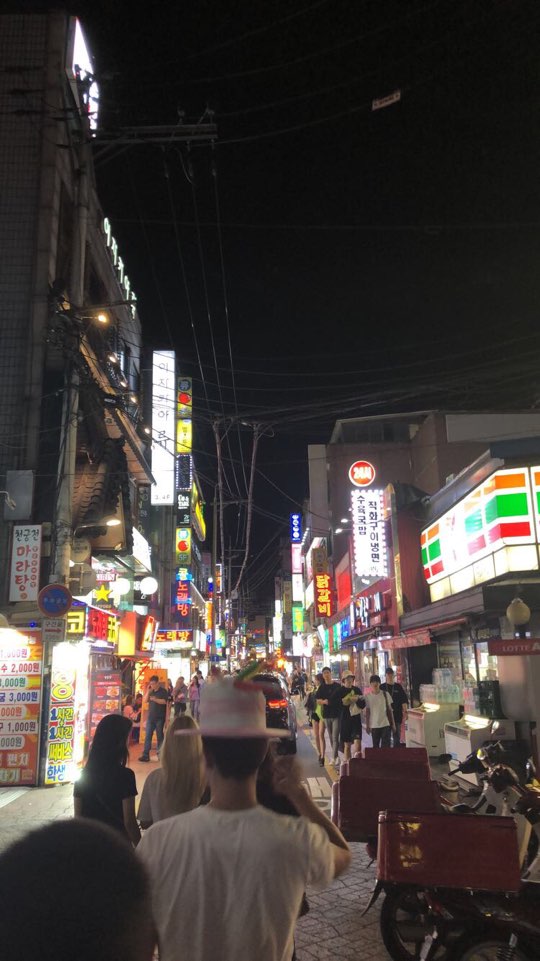
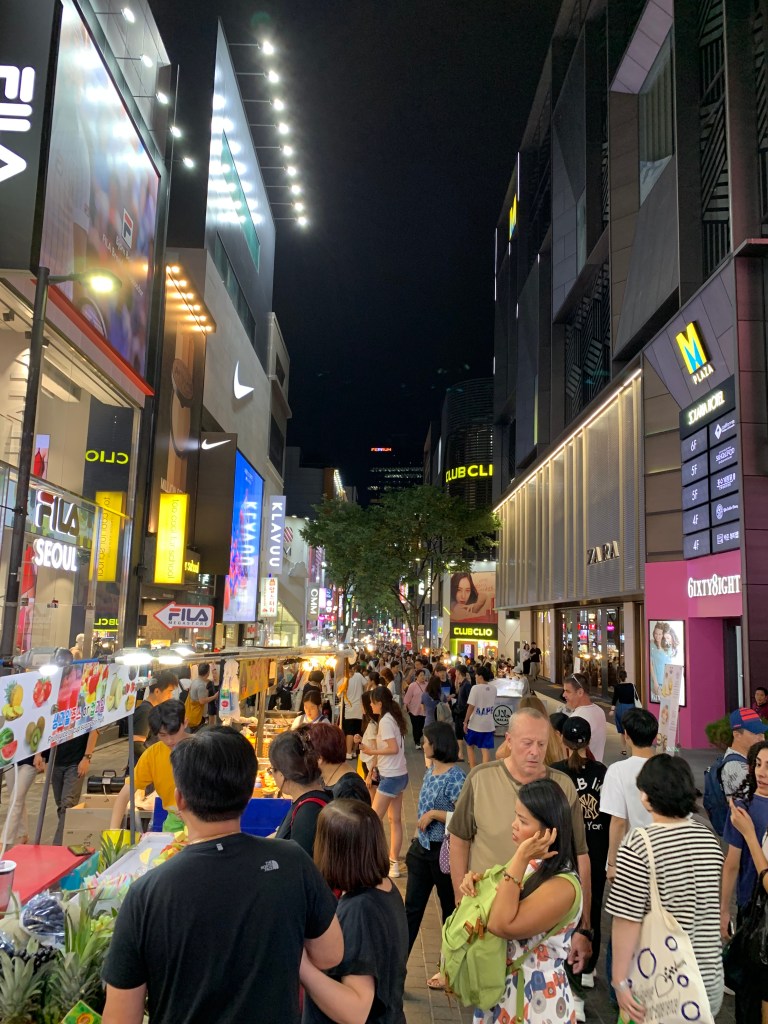
A few weeks into my study abroad program, I’ve realized that Seoul is similar to New York City in that regard. In fact, I argue that it’s even more busy than the famous, American city. Koreans are outside every night. I see people eating dinner at 9 PM and staying out until the break of dawn. Friday’s and Saturday’s are especially busy. For example, every street I walk through in Sinchon (the region where Yonsei University is located) is filled with people. The lights on the stores shine bright as diamonds, reminding me of Times Square (minus all the flashy screens). At this point, the LED lights outlining the word “노래방” (karaoke) have ingrained themselves in my memory. Also, food is available essentially everywhere at any time, drawing even more people outdoors. I’ve lost track of all the 24-hour restaurants in the area. The nightlife is truly fun and exciting. The bustle of this city will definitely bring me back in the future.

People from all over the world come to visit Seoul as well. I hear different languages all around me as I walk around the city. The most common foreign languages are English, Chinese, and Japanese. I do, however, occasionally hear German and Russian. I don’t know when South Korea became such a hotspot for tourists around the world. I remember a point in time when my parents and I got excited after every mention of Korea on western television shows and songs. Now, it doesn’t seem as uncommon (BTS on the American radio really caught me off guard). I’m really glad people are beginning to acknowledge and appreciate Korean culture. Even as a Korean-American, I hold these nationalistic feelings.

If you haven’t visited Seoul yet, I highly encourage you to do so. It’s quite easy to navigate through the city and find fun spots. Even if you do get lost, just ask for help! Most Koreans speak English—or at least comprehend it to some degree. They are almost always willing to help 🙂

Same Country, Different Experience

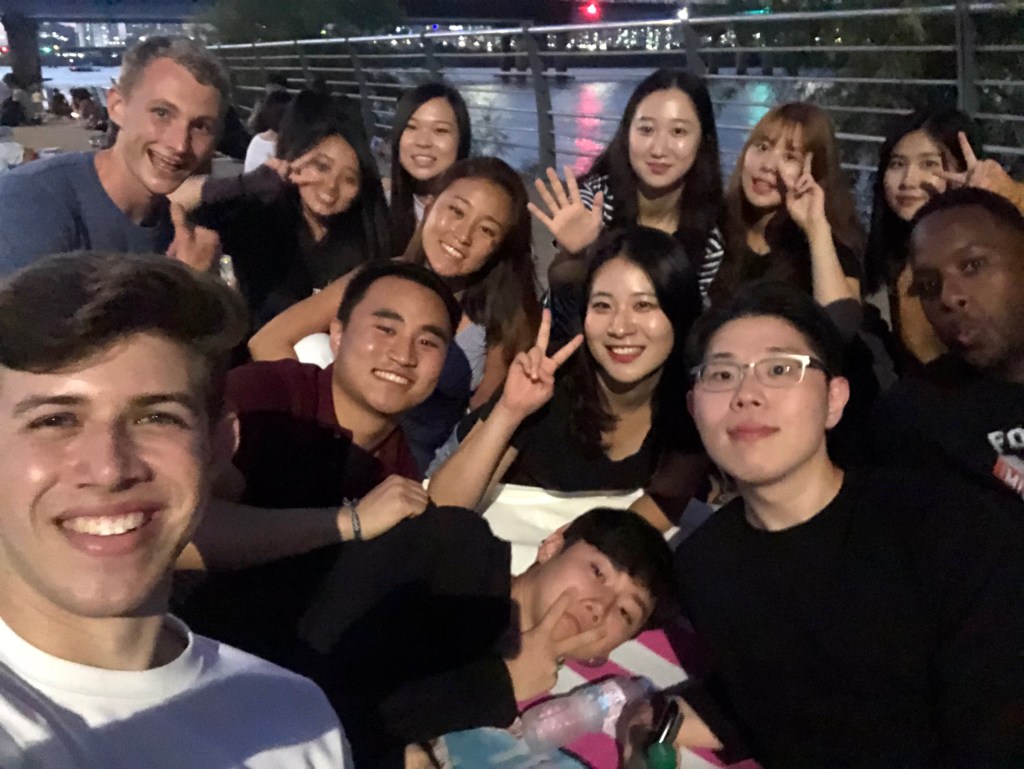
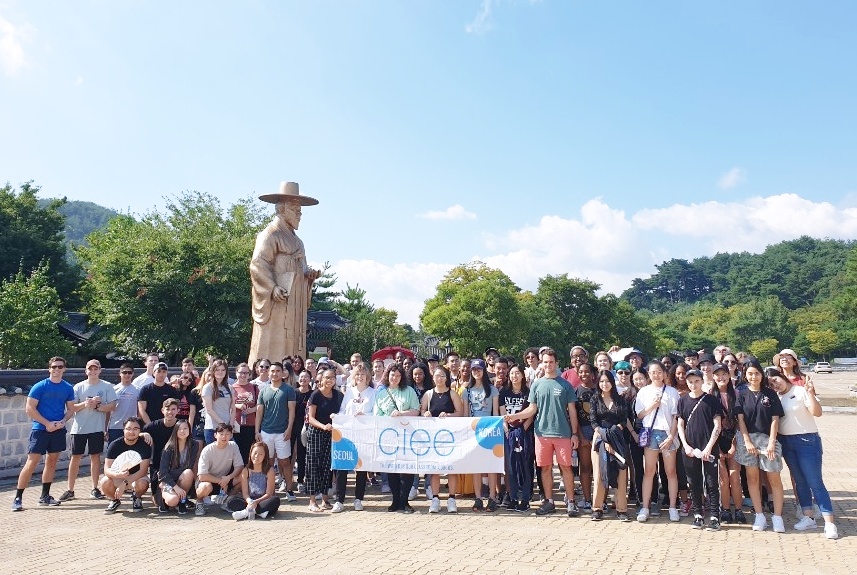
After a long week, I officially finished Yonsei University’s International Student Orientation. The events were fun and engaging, especially the one-night excursion to Yeongju in the North Gyeongsang Province. I met people from all over the United States and became close to several students who are in the same program as me. They are kind, funny, and passionate people. I feel lucky to have surrounded myself with them during the first week of my study abroad experience. At first, I felt a little nervous about going to South Korea without knowing anyone on the program, but I was fortunate enough to find a good group of friends and to adjust well to this new environment.

There are times, however, when I struggle. I find myself unable to speak quickly and confidently during conversations with Korean adults and students. I feel insecure about my Korean language abilities, making me either stutter or mumble during these interactions. The idea that I may make a mistake keeps me from speaking freely and comfortably. As a result, I notice myself avoiding the challenge rather than welcoming it with open arms. The feeling is hard to explain—it’s a mixture of inadequacy and disappointment. I came to South Korea to get better at Korean. It was the sole purpose of my visit, but I’ve been shying away from it.

This is the exact opposite of my experience last year when I visited my family in South Korea during summer vacation. I felt confident and capable in my Korean speaking abilities back then. I took advantage of every opportunity to speak the language. I did not care about making mistakes; I just wanted to practice and learn. After only three weeks, I noticed a dramatic increase in my language proficiency. Why was that not the case now?

This is the question that I ask myself every day. Of course, it is too early to make any definitive conclusions. I’ve only been in South Korea for a short period of time after all. I plan to use this question as motivation rather than a deterrent. Every time I think about it, I will push myself outside of my comfort zone. I will make every effort to accept the challenge and practice Korean with those around me. By doing so, I expect to become more comfortable with the language over the course of the semester.

Haenam: The Home of my Father and Mother

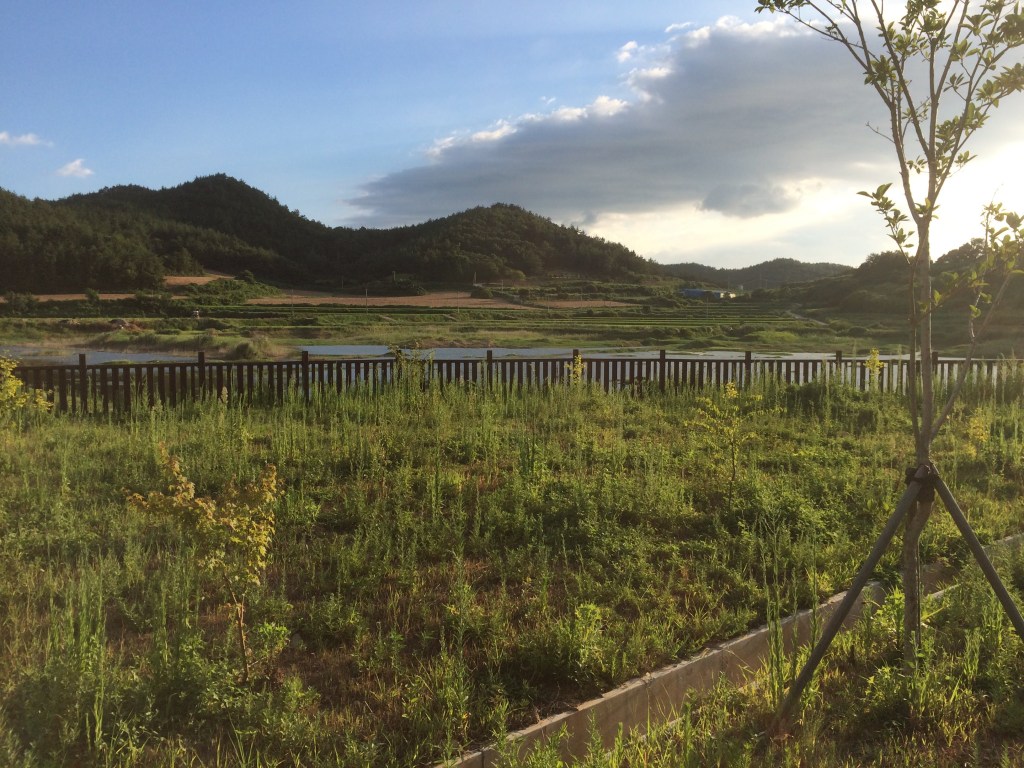
After arriving in South Korea, I wanted to pay my grandmother a visit before starting my study abroad program. She lives near the city of Haenam in South Jeolla Province on a large rice plantation and spends her days doing back-breaking work out on the fields. My grandmother continues to farm, despite her old age and fragile body. It is, in short, her life. She’s lived in the same place for decades, doing the same things year after year.

Inevitably, I experienced a small part of her lifestyle during my stay. I spent the first day picking, washing, and drying fresh red peppers. Although I spent only a few hours in the sun, I felt extremely exhausted and dehydrated by noon. I couldn’t believe my grandmother did this type of work in her late seventies. Even more surprisingly, my uncles and aunts would come and help on their free time. The whole family seemed to have this hard-working and gritty personality. They all knew how to complete their tasks without any complaints. This experience made me think about my mother and father, who left this town so many years ago. It’s hard to imagine them in this place now, but I know it has shaped their personalities so much. They both work very hard for our family. This motivates me to do so as well.

As a child, I dreaded visiting my grandmother in the countryside. I wasn’t familiar with the lifestyle. I complained about the mosquitoes, the smell, and the lack of fun activities for someone my age. This time, however, I kept an open mind and began to recognize all the wonderful experiences this place had to offer. After all, my father and mother both grew up in the area, making it a very special place for my family. It’s where they spent their childhood, went to school, and met for the first time. In an odd way, I feel a certain connection to Haenam (as cliché as that sounds). I’ll definitely be coming back soon.

Introduce Yourself (Example Post)

This is an example post, originally published as part of Blogging University. Enroll in one of our ten programs, and start your blog right.

You’re going to publish a post today. Don’t worry about how your blog looks. Don’t worry if you haven’t given it a name yet, or you’re feeling overwhelmed. Just click the “New Post” button, and tell us why you’re here.

Why do this?

  • Because it gives new readers context. What are you about? Why should they read your blog?
  • Because it will help you focus you own ideas about your blog and what you’d like to do with it.

The post can be short or long, a personal intro to your life or a bloggy mission statement, a manifesto for the future or a simple outline of your the types of things you hope to publish.

To help you get started, here are a few questions:

  • Why are you blogging publicly, rather than keeping a personal journal?
  • What topics do you think you’ll write about?
  • Who would you love to connect with via your blog?
  • If you blog successfully throughout the next year, what would you hope to have accomplished?

You’re not locked into any of this; one of the wonderful things about blogs is how they constantly evolve as we learn, grow, and interact with one another — but it’s good to know where and why you started, and articulating your goals may just give you a few other post ideas.

Can’t think how to get started? Just write the first thing that pops into your head. Anne Lamott, author of a book on writing we love, says that you need to give yourself permission to write a “crappy first draft”. Anne makes a great point — just start writing, and worry about editing it later.

When you’re ready to publish, give your post three to five tags that describe your blog’s focus — writing, photography, fiction, parenting, food, cars, movies, sports, whatever. These tags will help others who care about your topics find you in the Reader. Make sure one of the tags is “zerotohero,” so other new bloggers can find you, too.

Design a site like this with WordPress.com
Get started